
Sewage treatment plants (STP) and effluent treatment plants (ETP) both treat wastewater, but they serve different sources, face different pollutant profiles, and are governed by distinct regulatory frameworks in India. Understanding the difference helps consultants, plant owners, and procurement teams specify the right components.
What Is an STP?
A sewage treatment plant treats domestic wastewater from toilets, kitchens, bathrooms, and laundry — typical of residential townships, hotels, hospitals, and commercial complexes. Influent is high in organic matter (BOD/COD), nutrients, and suspended solids, with relatively predictable daily flow patterns.
What Is an ETP?
An effluent treatment plant treats industrial process wastewater — from textile dyeing, pharma formulation, food processing, metal finishing, chemicals, and more. Influent may contain oils, heavy metals, solvents, colour, high COD, variable pH, and shock loads that domestic STPs cannot handle without specialised pretreatment.
Key Differences at a Glance
Shared Components ABM Supplies
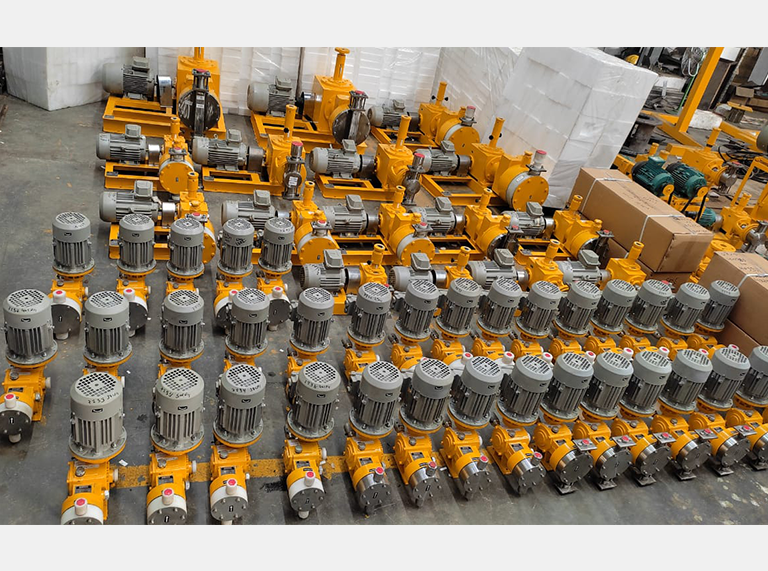
Despite different designs, both plant types rely on the same core equipment categories: MBBR media, fine-bubble diffusers, air blowers, dosing pumps, bar screens, and oil skimmers. ABM Water Corporation supplies these components for STP projects and ETP projects nationwide.
Choosing the Right Plant Type
Mixed-use developments may need both — STP for domestic sewage and ETP for process streams. Never route industrial effluent through a domestic STP without proper pretreatment and consent. When in doubt, share your influent analysis with a qualified consultant and ABM for component recommendations.
Conclusion
STP and ETP share treatment principles but differ in source, complexity, and compliance requirements. ABM Water Corporation helps you source reliable components for either application — contact us with your project details.